Best Credit Cards for Women in India (2026)
Overview
The search for “credit card for women” is one of the most persistent queries in Indian personal finance — and one of the most misunderstood. Historically, a handful of banks issued gender-specific cards — HDFC Solitaire being the most well-known — but the Indian credit card market has moved decisively away from that model. As of April 2026, no major Indian bank actively issues a card restricted to women applicants.
This is actually good news. Rather than being limited to one or two “women’s cards” with modest benefits, women cardholders now have access to the full spectrum of credit cards — from lifetime free cards with strong rewards to premium lounge-access cards with zero joining fees.
The RBI’s Master Direction on Credit Card and Debit Card — Issuance and Conduct (DoR.FIN.REC.No.91/03.10.001/2021-22, April 2022) does not mandate or restrict card issuance based on gender. Eligibility is determined by income, creditworthiness, and KYC compliance. Every card listed on CardTrail is available to all applicants who meet the issuer’s financial criteria, regardless of gender.
That said, spending patterns matter. A 2023 TransUnion CIBIL report noted that women’s participation in India’s formal credit market continues to grow, yet women still represent a smaller share of total credit card holders compared to men. The gap is closing — driven in part by fintech-issued cards with zero income requirements and instant digital applications.
This page cuts through the noise. Instead of recommending a defunct “women’s card,” CardTrail identifies the best general-purpose credit cards that deliver strong value on everyday spending categories — groceries, online shopping, travel, dining, and fuel — while charging zero annual fees. The CardTrail comparison tool lets you filter and rank these cards based on your actual spending pattern.
Key Facts Every Cardholder Should Know
-
No “women-only” credit card exists from a major Indian bank in 2026. HDFC Bank’s Solitaire credit card, once the most popular women-specific card, is no longer actively issued. The bank’s current product page does not list it. (Source: HDFC Bank Credit Cards page)
-
RBI rules do not permit gender-based eligibility discrimination. The Master Direction on Credit Card issuance (April 2022) ties eligibility to verifiable income and creditworthiness — not gender. (Source: RBI Master Direction)
-
Income requirements vary from ₹0 to ₹12 lakh per annum across the cards in CardTrail’s database. Cards like the OneCard Metal and Uni Card list no minimum income requirement, making them accessible to a wide range of applicants.
-
Lifetime free cards dominate the market. Of the 15 cards analysed for this page, 12 carry zero annual and joining fees with no spend-linked waiver conditions. This eliminates the risk of paying fees just to hold a card.
-
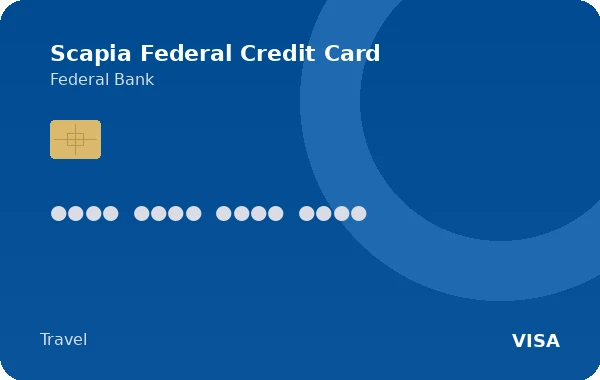
Zero forex markup is available on multiple lifetime free cards. The Scapia Federal Credit Card (0% forex), Federal Bank Celesta (0% forex), and Uni Card (0% forex) charge nothing on international transactions — a benefit that premium cards from HDFC and Axis typically charge 2–3.5% for.
-
A CIBIL score of 700+ is generally needed for approval of most credit cards. First-time applicants with no credit history can consider secured cards or cards with zero minimum income requirements.
-
RuPay credit cards now support UPI transactions, opening up rewards on everyday payments like vegetable vendors and local shops — categories where Visa/Mastercard cards earn nothing.
Best Cards for Women
The following cards represent the strongest value for common spending patterns — online shopping, groceries, travel, dining, and everyday UPI payments. All are available to any applicant meeting the issuer’s criteria.
| Card | Annual Fee | Best For | Base Reward Rate | Forex Markup | Lounges |
|---|---|---|---|---|---|
| Scapia Federal Credit Card | ₹0 (lifetime free) | Travel & forex | 10.0% | 0% | Unlimited domestic |
| ixigo AU Credit Card | ₹0 | Budget travel | 2.5% | 0% | 8 domestic, 1 intl |
| OneCard Metal Credit Card | ₹0 (lifetime free) | Everyday rewards | 2.0% (up to 10%) | 1.0% | None |
| ICICI Amazon Pay Credit Card | ₹0 (lifetime free) | Online shopping | 1.0% (up to 5%) | 1.99% | None |
| IDFC FIRST Wealth Credit Card | ₹0 (lifetime free) | Lounge access | 0.75% (up to 6%) | 1.5% | 8 domestic, 4 intl |
| Federal Bank Celesta Credit Card | ₹0 (lifetime free) | Forex + travel | 1.0% (up to 5%) | 0% | 2 domestic, 2 intl |
| IndusInd Tiger Credit Card | ₹0 (lifetime free) | Beginners | 1.2% (up to 7.2%) | 1.5% | 2 domestic, 2 intl |
| Uni Card | ₹0 (lifetime free) | UPI + gold rewards | 1.0% (up to 7%) | 0% | None |
CardTrail’s analysis: The Scapia Federal leads on raw reward rate (10% as Scapia Coins, each worth ₹1) and zero forex markup, making it the top pick for anyone who travels or shops internationally. For everyday domestic spending, the OneCard Metal’s 2% base rate with no income requirement makes it the most accessible high-reward option. The IDFC FIRST Wealth card stands out for frequent flyers — 12 annual lounge visits (8 domestic + 4 international) on a lifetime free card is rare in the Indian market. The ICICI Amazon Pay card remains the go-to for heavy online shoppers, delivering up to 5% back as Amazon Pay balance.
How It Works in India
Applying for a Credit Card
The application process is the same regardless of gender. Here is how it works:
Step 1: Check eligibility. Most issuers require applicants to be at least 18 years old with a PAN card. Income requirements range from ₹0 (OneCard Metal, Uni Card) to ₹12 lakh per annum (Federal Bank Imperio). A CIBIL score of 700 or above improves approval odds significantly.
Step 2: Apply online or in-branch. Nearly all cards listed here accept online applications through the bank’s website or the card issuer’s app. Fintech cards like OneCard and Scapia offer fully digital applications with approval in minutes. Traditional banks like ICICI and IDFC FIRST also support online applications but may take 7–14 days for physical card delivery.
Step 3: Complete KYC. Aadhaar-based eKYC is the standard. Some issuers accept Video KYC for instant verification. Documents typically required: PAN, Aadhaar, and income proof (salary slips, ITR, or bank statements). Self-employed and freelance applicants can use ITR or Form 16 as income proof.
Step 4: Card activation. Once approved, activate via the bank’s app or a phone call. For RuPay credit cards, link the card to a UPI app (Google Pay, PhonePe, BHIM) to start earning rewards on UPI transactions.
Regulatory Framework
The RBI’s Master Direction (April 2022, updated June 2024) governs all credit card issuance in India. Key provisions relevant to cardholders:
- Unsolicited cards are prohibited. No bank can issue a card without explicit consent. (Source: RBI Master Direction, Section 4)
- Interest-free period (grace period): All cards must clearly disclose the grace period. Paying the full statement balance by the due date means zero interest.
- Billing disputes: Cardholders have the right to dispute charges within 30 days. Banks must resolve disputes within 90 days.
- Add-on cards: Women can issue add-on cards for family members on their primary card, subject to the issuer’s terms.
Common Mistakes to Avoid
-
Searching for a “women’s credit card” and settling for inferior products. Some aggregator sites still list discontinued cards or low-value products under the “women” label. Choosing a card based on gender branding rather than actual rewards means leaving money on the table.
-
Ignoring the annual fee waiver condition. Cards like the YES Bank POP-CLUB are free until a certain date (March 2026 for POP-CLUB), after which a ₹399 fee applies if annual spend is below ₹1.5 lakh. Always read the fee waiver terms before applying.
-
Paying forex markup on international purchases when 0% cards exist. Three cards in the table above — Scapia Federal, Federal Bank Celesta, and Uni Card — charge 0% forex markup. Using a card with 3.5% markup on a ₹1 lakh international purchase costs ₹3,500 in unnecessary fees. CardTrail’s zero forex card comparison helps identify the best options.
-
Not linking RuPay credit cards to UPI. Cards like the Uni Card and Kiwi RuPay earn rewards on UPI transactions — a category where Visa and Mastercard cards earn nothing. Not linking to UPI means missing rewards on everyday payments.
-
Applying for multiple cards simultaneously. Each application triggers a hard inquiry on the credit report, temporarily lowering the CIBIL score. Space applications at least 3–6 months apart.
-
Carrying a balance for the rewards. Credit card interest rates in India range from 24–42% per annum. No reward rate — not even Scapia’s 10% — offsets the cost of carrying a balance. Always pay the full statement amount by the due date.
Comparison Table
The following table compares all recommended cards across the dimensions that matter most for everyday spending. All data sourced from CardTrail’s verified card database.
Annual reward value on ₹50,000/month spend (₹6 lakh/year) — CardTrail original calculation:
| Card | Annual Fee | Base Reward Rate | Est. Annual Reward Value (₹6L spend) | Forex Markup | Domestic Lounges/Year | Min Income |
|---|---|---|---|---|---|---|
| Scapia Federal | ₹0 | 10.0% | ₹60,000 (as Scapia Coins) | 0% | Unlimited | ₹3 lakh |
| ixigo AU | ₹0 | 2.5% | ₹15,000 | 0% | 8 | ₹0 |
| OneCard Metal | ₹0 | 2.0% | ₹12,000 | 1.0% | 0 | ₹0 |
| SBM OneCard | ₹0 | 2.0% | ₹12,000 | 1.0% | 0 | ₹0 |
| Federal Bank Celesta | ₹0 | 1.0% | ₹6,000 | 0% | 2 | ₹5 lakh |
| ICICI Amazon Pay | ₹0 | 1.0% | ₹6,000 (as Amazon balance) | 1.99% | 0 | ₹2 lakh |
| IndusInd Tiger | ₹0 | 1.2% | ₹7,200 | 1.5% | 2 | ₹2 lakh |
| IDFC FIRST Wealth | ₹0 | 0.75% | ₹4,500 + 12 lounges | 1.5% | 8 | ₹4 lakh |
How to read this table: The “Est. Annual Reward Value” column applies each card’s base reward rate to ₹6 lakh annual spend. Actual returns may be higher on bonus categories (e.g., Amazon Pay card earns up to 5% on Amazon) and lower on excluded categories. The calculation uses the base rate as a conservative floor:
- Scapia Federal: ₹6,00,000 × 10.0% = ₹60,000 in Scapia Coins (redeemable at ₹1/coin for travel bookings; subject to platform-specific terms and caps)
- ixigo AU: ₹6,00,000 × 2.5% = ₹15,000 in reward points + ixigo Money
- OneCard Metal: ₹6,00,000 × 2.0% = ₹12,000 in reward points
- IndusInd Tiger: ₹6,00,000 × 1.2% = ₹7,200 in reward points
Key insight: The IDFC FIRST Wealth card’s reward rate appears modest at 0.75%, but its 12 annual lounge visits (valued at approximately ₹800–1,200 per visit at domestic airports) add ₹9,600–₹14,400 in tangible value for frequent travellers — making its total annual benefit competitive with higher-reward-rate cards. This makes it the top pick for professionals who fly 6+ times a year.
Related Tools
CardTrail’s card comparison tool lets you filter credit cards by annual fee, reward rate, forex markup, lounge access, and minimum income — the exact parameters that matter when choosing a card. Rather than relying on generic “best for women” lists, use the tool to input your actual monthly spend, preferred categories, and travel frequency. The tool ranks cards by estimated annual value based on your specific inputs.
Every card on the tool links to a detailed review page with verified fee structures, reward calculations, and application links. For a head-to-head comparison of the cards discussed on this page, visit the women’s credit card comparison.
Start with your spending pattern. The right card follows from that — not from a gender label.
Find the best credit card for your spending pattern →
Frequently Asked Questions
Which is the best credit card for women in India in 2026?
There is no single “best credit card for women” because no major Indian bank issues a gender-restricted card in 2026. The best card depends on spending habits, not gender. For travel and international spending, the Scapia Federal Credit Card offers 10% rewards and 0% forex markup at zero annual fee. For online shopping, the ICICI Amazon Pay Credit Card delivers up to 5% back on Amazon purchases — also lifetime free. For everyday rewards with no income requirement, the OneCard Metal provides 2% base rewards. All three are available to any applicant meeting the bank’s eligibility criteria, which is income- and credit-score-based, not gender-based. (Source: RBI Master Direction on Credit Cards, April 2022)
Are there any credit cards in India made specifically for women?
As of April 2026, no major Indian bank actively issues a credit card restricted to or designed exclusively for women. HDFC Bank’s Solitaire credit card — once the most recognised women-specific card — is no longer listed on the bank’s active product page. The broader market trend has shifted toward lifestyle-based cards (travel, cashback, shopping) available to all applicants. This means women have access to every card in the market, including lifetime free options with strong rewards that outperform the old Solitaire card’s benefit structure.
What happened to the HDFC women credit card?
The HDFC Solitaire credit card was HDFC Bank’s women-focused product, offering rewards on categories like dining, grocery, and apparel. The card is no longer actively promoted or available for new applications on HDFC Bank’s credit card page. Existing cardholders may still hold the card, but HDFC has not replaced it with a new women-specific product. For HDFC-specific queries about blocking, replacing, or managing a lost/stolen Solitaire card, contact HDFC Bank’s customer care at 1800-266-4332 or visit the nearest branch. (Source: HDFC Bank website)
What is the minimum salary required to get a credit card as a woman in India?
Salary requirements are identical for all applicants regardless of gender. Among the cards reviewed on this page, the minimum income requirement ranges from ₹0 to ₹12 lakh per annum. The OneCard Metal, SBM OneCard, Uni Card, and Kiwi RuPay list no minimum income requirement. The IndusInd Tiger and ICICI Amazon Pay require ₹2 lakh per annum, while the IDFC FIRST Wealth requires ₹4 lakh. First-time applicants with limited income can start with zero-income-requirement cards and build a credit history.
How can a homemaker or self-employed woman get a credit card in India?
Homemakers and self-employed women can obtain credit cards through several routes. First, cards with no minimum income requirement — such as the OneCard Metal (₹0 minimum) and Uni Card (₹0 minimum) — accept applications without salary proof. Second, applicants can show income through ITR filings, fixed deposit interest, rental income, or mutual fund statements. Third, secured credit cards backed by a fixed deposit are available from most banks and require no income proof — the credit limit is set as a percentage of the FD amount. Fourth, add-on cards issued against a family member’s primary card require no independent income verification. The CardTrail guide for first-time applicants covers each route in detail. (Source: RBI Master Direction, Section 4 — Eligibility)
Which lifetime free credit card gives the best rewards with no annual fee?
Among lifetime free cards with zero annual and joining fees, the Scapia Federal Credit Card leads with a 10% reward rate (as Scapia Coins, redeemable at ₹1 per coin). On a monthly spend of ₹50,000, that translates to ₹5,000/month or ₹60,000/year in rewards — before accounting for category caps. The ixigo AU Credit Card follows at 2.5% base rewards plus 8 domestic lounge visits, and the OneCard Metal offers 2% base rewards with potential to reach 10% on select categories. All three charge zero annual fee with no spend-based waiver conditions. Use CardTrail’s comparison tool to model reward value based on your specific spending categories.
Cards Worth Considering
Based on this article's topic. Scores reflect real value, not sponsorships.

IDBI Aspire Platinum Credit Card
IDBI · Lifetime free
Lifetime free — no joining or annual fee

ixigo AU Credit Card
AU Small Finance Bank · Lifetime free
Up to 10% discount on flights, buses & hotels via ixigo
Scapia Federal Credit Card
Federal Bank · Lifetime free
Zero forex markup on a FREE card
Found this useful?
Get notified when card rules change, benefits get devalued, or new cards launch. One email, only when it matters.
Explore more guides